

Exploring Impactful Apple IT Case Studies
Every business runs differently, but the goal is the same: technology that works without getting in the way. These Apple IT case studies show how Virtua Computers helps organizations solve real challenges — from deploying devices in the field to unifying mixed-platform environments during a merger. Each engagement starts with understanding the business first, then building the right solution around it.

HEALTHCARE / FIELD SERVICES
Deploying iPad & iPhone for Veterinary Field Technicians
A veterinary anesthesia services company needed to equip field technicians with secure, company-managed devices — but had no internal IT team to handle it. Virtua deployed 10 iPads and iPhones through Apple Business Manager and SimpleMDM with zero-touch enrollment, Microsoft 365 single sign-on, and custom profiles. The result: every technician received a work-ready device out of the box, and the system has required almost no ongoing support since launch.
CREATIVE AGENCY / MANAGED IT
Managed Apple IT for a Creative Agency: From Startup Chaos to SOC-2 Ready
A fast-growing NYC advertising agency had 35 unmanaged Macs, no MDM, and a two-day onboarding process. Virtua deployed Apple Business Manager, Addigy, endpoint protection, and 1Password — cutting onboarding to under an hour, reducing support tickets by 60%, and helping the agency pass its first SOC-2 readiness assessment.
Non-profit / mergers & acquisitions
Device Choice as an Enterprise Strategy During a Nonprofit Merger
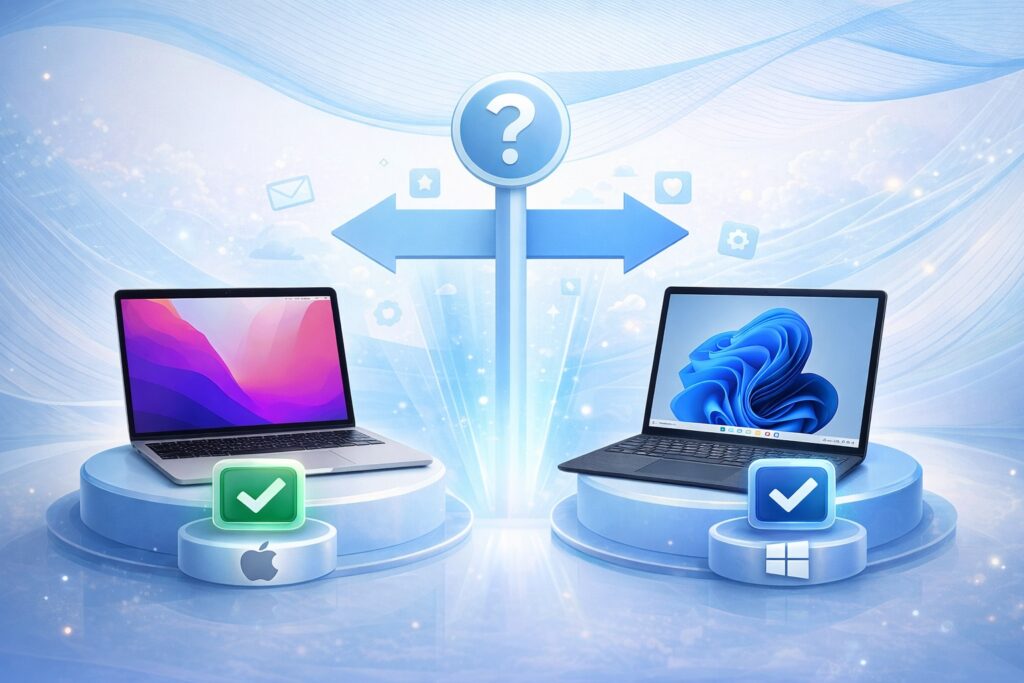
When two national nonprofits merged — one on Windows, one on Mac — leadership assumed they’d need to pick a single platform. Virtua reframed the conversation: instead of forcing a hardware decision during an already disruptive transition, the organization standardized identity, security, and collaboration on Microsoft 365 while supporting both platforms as first-class endpoints. Platform distribution stabilized naturally as the combined team grew.