

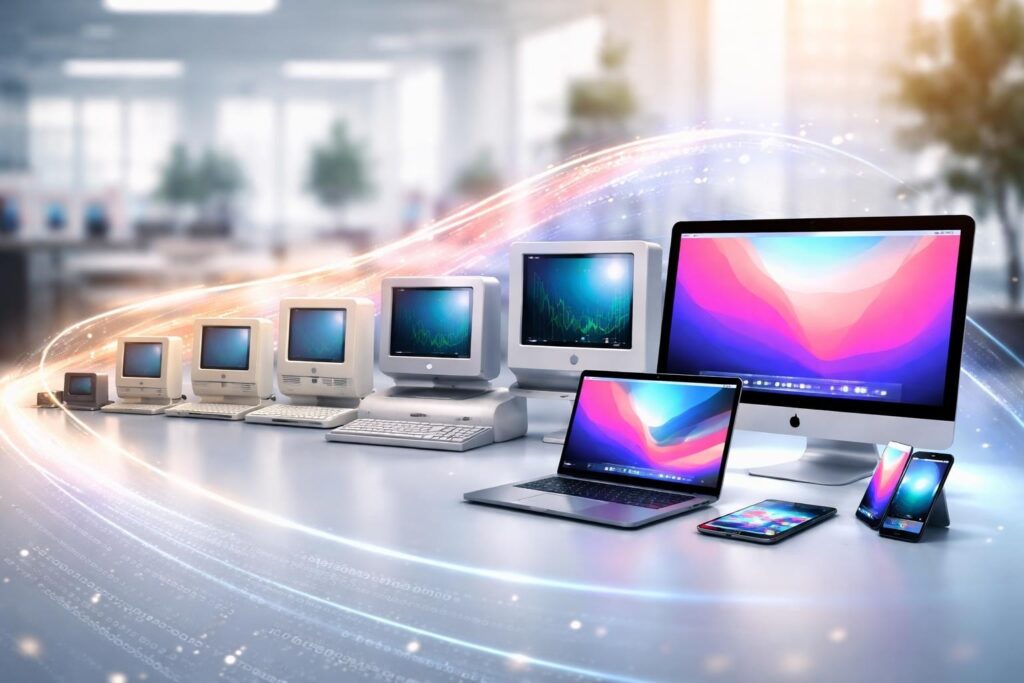
Why Mac-Based Businesses Need MDM — Even If They’re SmallWhen businesses search for information about Apple computer systems, they’re often looking for guidance on implementation, support, and optimization strategies. The phrase “apple computer apple computer” reflects the persistent need for reliable information about Apple’s computing ecosystem and how organizations can leverage Mac technology for maximum efficiency. For Mac-based businesses, understanding the full scope of Apple’s computer offerings and how to maintain them is essential for operational success. This comprehensive guide explores the Apple computer landscape, deployment considerations, and best practices for businesses committed to the Mac platform.
Understanding Apple’s Computing Evolution
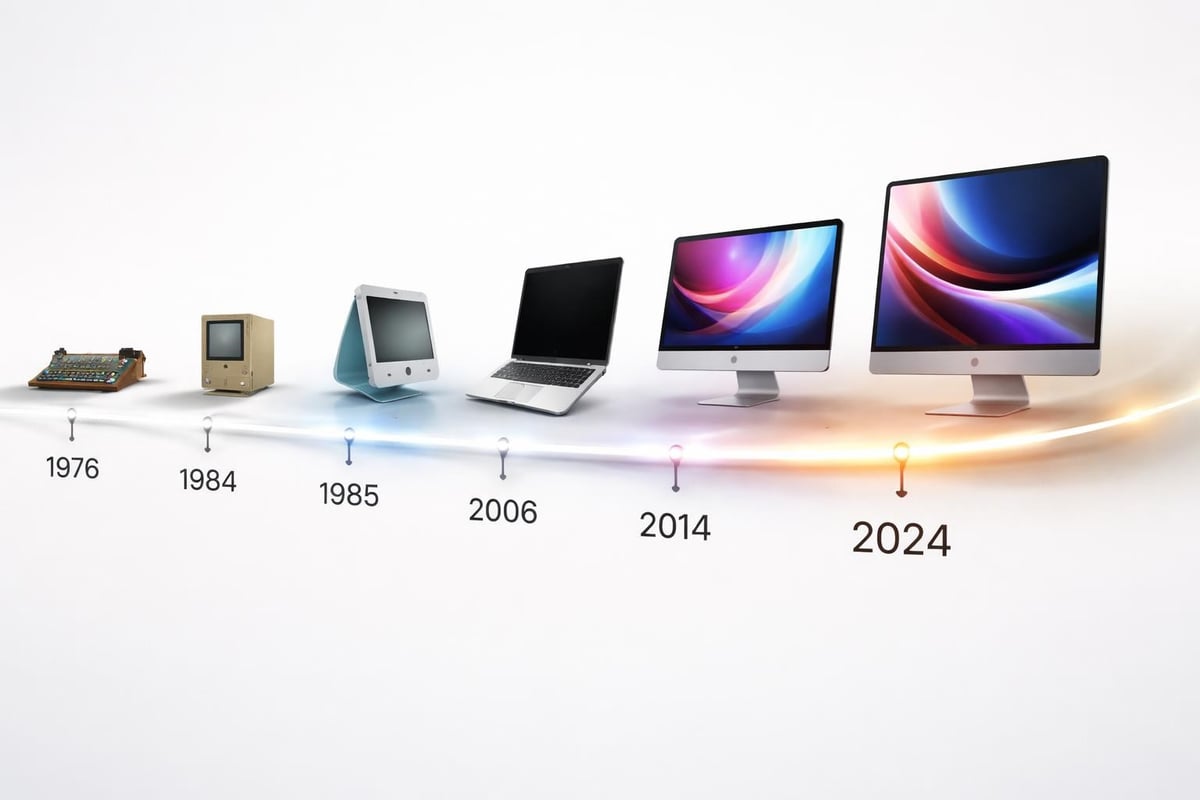
Apple’s journey in personal computing began with revolutionary concepts that transformed how businesses interact with technology. The incorporation of Apple Computer, Inc. in 1977 marked a pivotal moment in computing history, establishing a company that would challenge conventions and redefine user experiences. From the earliest models to today’s sophisticated systems, Apple computer products have consistently prioritized design, performance, and seamless integration.
The Apple I represented the company’s first venture into computing, a hand-built circuit board that laid the foundation for everything that followed. While primitive by modern standards, it demonstrated Apple’s commitment to making computing accessible and powerful.
The Macintosh Revolution
The introduction of the Macintosh 128K in 1984 fundamentally changed computing. This groundbreaking machine brought graphical user interfaces to mainstream audiences, making computers more intuitive for business users. Before this innovation, command-line interfaces dominated the market, creating barriers for many potential users.
Key innovations that defined early Macintosh systems:
- Graphical user interface with mouse navigation
- Integrated display and computer housing
- Consistent visual design language
- Built-in networking capabilities
- Developer-friendly architecture
The Apple Lisa, while commercially unsuccessful, pioneered many technologies that became standard in later systems. Its advanced features influenced subsequent Macintosh development and demonstrated Apple’s willingness to push boundaries.
Modern Apple Computer Lineup for Business
Today’s Apple computer ecosystem offers diverse options for businesses of every size. Apple’s current Mac lineup includes desktop and portable solutions designed to meet varying organizational needs. Understanding which systems align with specific business requirements ensures optimal investment and long-term satisfaction.
Desktop Solutions
| Model | Processor | Best For | Key Advantage |
|---|---|---|---|
| Mac mini | M4/M4 Pro | Space-efficient workstations | Lowest entry cost |
| iMac 24-inch | M4 | Creative professionals | Integrated display |
| Mac Studio | M2 Max/Ultra | High-performance computing | Expandable connectivity |
| Mac Pro | M2 Ultra | Enterprise workflows | Maximum expandability |
The Mac mini serves as an excellent entry point for businesses transitioning to Apple computer systems. Its compact footprint and competitive pricing make it ideal for offices with limited space. Organizations can pair it with existing displays and peripherals, reducing initial investment costs.
For creative teams and professionals requiring visual precision, the 24-inch iMac delivers exceptional color accuracy and performance in a single package. Recent reviews highlight the M4 iMac as a top choice for all-in-one computing solutions, particularly in design and media production environments.
Portable Computing Options
The MacBook line has evolved to serve diverse business mobility needs. From the ultra-portable MacBook Air to the powerhouse MacBook Pro, Apple computer portable solutions balance performance with portability.
MacBook Air advantages for business:
- Extended battery life for full-day productivity
- Silent operation without cooling fans
- Lightweight design for frequent travelers
- Sufficient power for standard business applications
- Competitive pricing for enterprise deployment
MacBook Pro capabilities:
- Professional-grade performance for demanding workflows
- ProMotion display technology for smooth visual experiences
- Advanced port selection including Thunderbolt 4
- Enhanced audio systems for video conferencing
- Extended warranty and support options through AppleCare
Businesses requiring comprehensive Apple IT support benefit from standardizing on specific models, simplifying maintenance and support procedures.
Deployment Strategies for Apple Computer Systems
Successfully implementing Apple computer technology requires careful planning and execution. Organizations transitioning from other platforms or expanding existing Mac deployments must consider multiple factors to ensure smooth adoption.
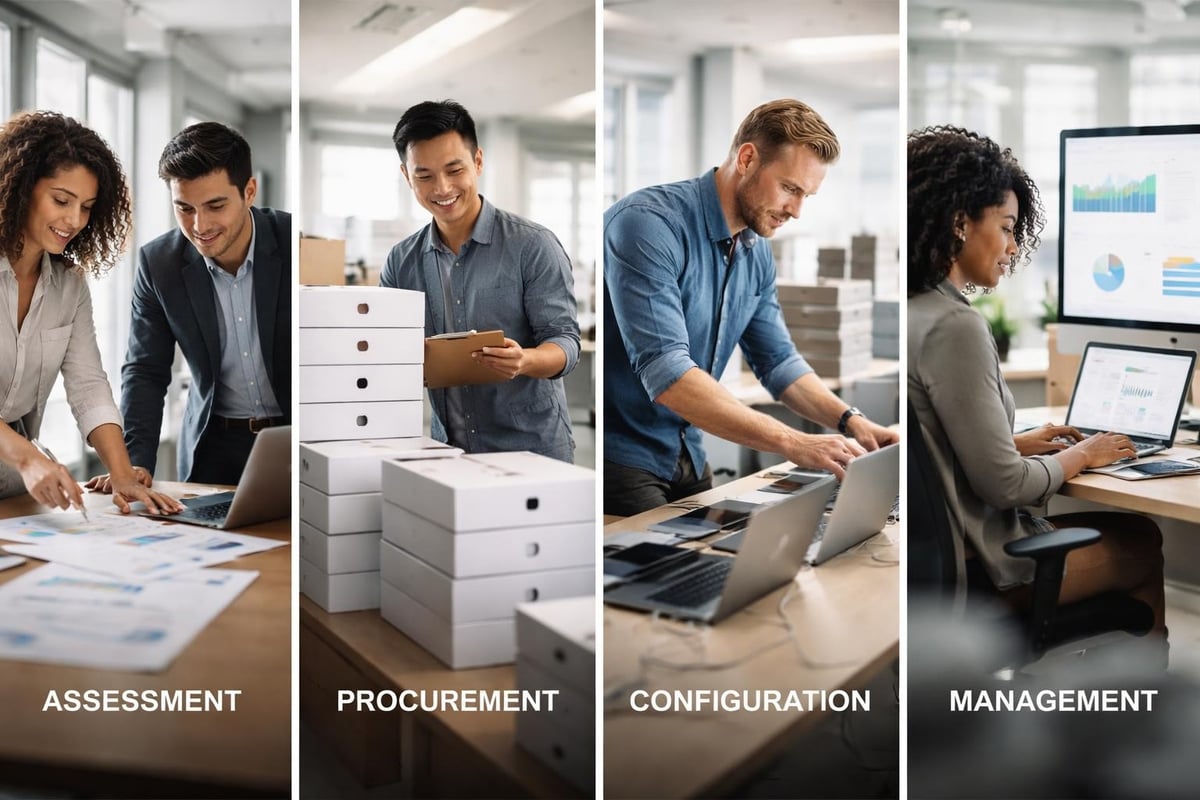
Initial Assessment and Planning
Before acquiring new Apple computer systems, businesses should evaluate their specific requirements. This assessment includes determining which applications staff use daily, identifying performance requirements, and understanding integration needs with existing infrastructure.
Network infrastructure readiness plays a crucial role in successful deployment. Mac systems integrate seamlessly with modern network protocols, but legacy systems may require updates. Ensuring compatibility prevents deployment delays and user frustration.
Device Management and Configuration
Modern Apple computer deployments leverage Mobile Device Management (MDM) solutions for centralized control. These platforms enable IT teams to configure systems remotely, deploy applications automatically, and enforce security policies consistently.
Essential MDM capabilities for Mac fleets:
- Automated device enrollment and configuration
- Application distribution and updates
- Security policy enforcement
- Remote troubleshooting and support
- Inventory tracking and compliance reporting
Organizations implementing MDM solutions can reduce setup time dramatically. Instead of manually configuring each Apple computer, IT teams create standardized profiles that apply automatically during initial setup.
Security Considerations for Apple Computer Environments
Security remains paramount for businesses operating Apple computer infrastructure. While Macs benefit from robust built-in security features, organizations must implement comprehensive strategies to protect sensitive data and maintain compliance.
Built-in Security Features
Apple computer systems include multiple layers of security protection designed to defend against modern threats. The T2 Security Chip or Apple silicon secure enclave provides hardware-level encryption and verified boot processes, ensuring system integrity from startup.
FileVault whole-disk encryption protects data at rest, making stolen or lost devices significantly less vulnerable to data breaches. This feature integrates seamlessly with user authentication, requiring minimal user intervention while maintaining strong protection.
| Security Feature | Function | Business Benefit |
|---|---|---|
| Secure Enclave | Hardware key storage | Protects authentication credentials |
| FileVault | Full disk encryption | Safeguards data on lost/stolen devices |
| Gatekeeper | Application verification | Prevents unauthorized software installation |
| XProtect | Malware detection | Blocks known threats automatically |
| System Integrity Protection | OS file protection | Prevents system modification |
Advanced Security Measures
Beyond built-in features, businesses should implement additional security layers. Regular software updates address newly discovered vulnerabilities, making patch management critical for maintaining security posture. Establishing update schedules that balance security needs with operational requirements prevents disruptions while maintaining protection.
Endpoint detection and response (EDR) solutions designed for macOS provide advanced threat detection and response capabilities. These tools monitor system behavior, identify suspicious activities, and enable rapid response to potential incidents.
Understanding your organization’s security controls and compliance requirements helps establish appropriate protection levels for your Apple computer fleet.
Maintenance and Support Best Practices
Maintaining optimal performance across Apple computer deployments requires proactive approaches and systematic procedures. Organizations that implement structured maintenance programs experience fewer disruptions and longer hardware lifecycles.
Routine Maintenance Tasks
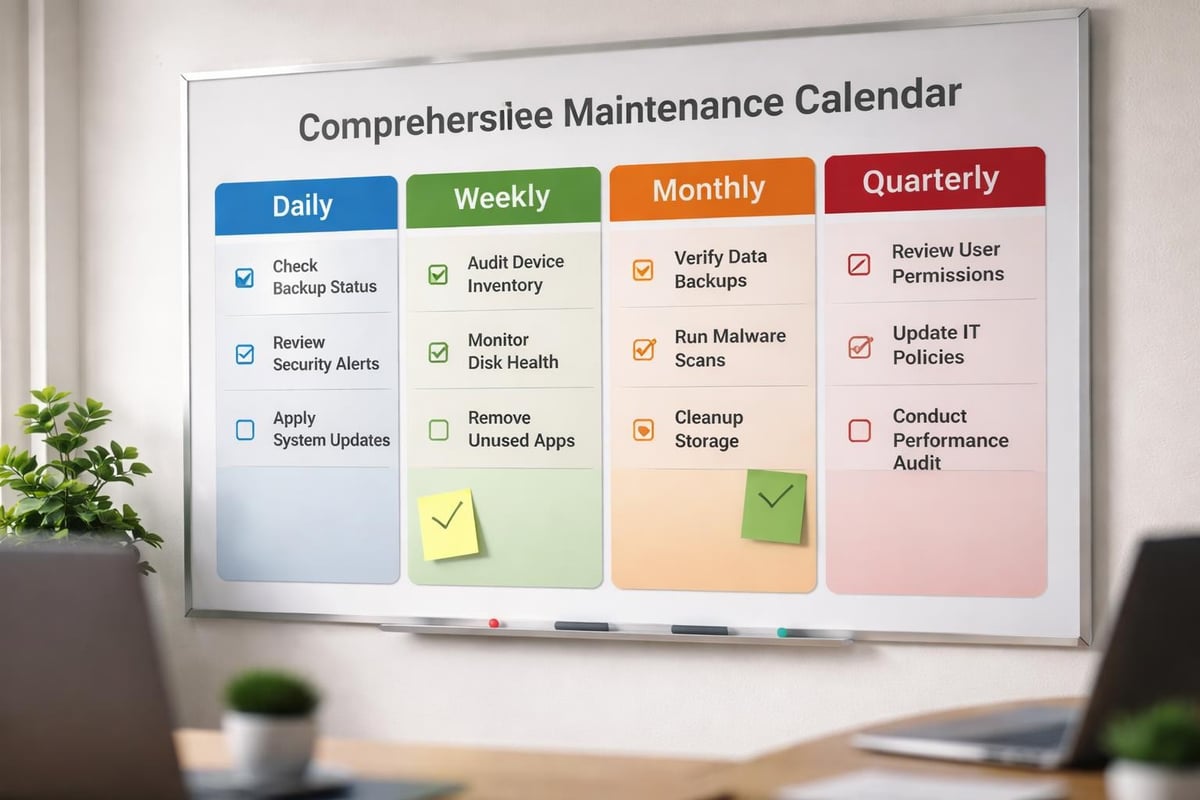
Regular maintenance prevents many common issues before they impact productivity. Establishing schedules for routine tasks ensures consistent system performance across all deployed Apple computer systems.
Weekly maintenance activities:
- Verify backup completion and integrity
- Check available storage space
- Review system logs for errors
- Test critical application functionality
- Confirm security updates installation
Monthly maintenance procedures:
- Run comprehensive disk diagnostics
- Review user-reported issues and trends
- Update inventory records
- Test disaster recovery procedures
- Evaluate performance metrics
Storage management significantly impacts Apple computer performance. As drives approach capacity, system performance degrades noticeably. Implementing automated monitoring alerts IT teams before storage constraints affect users.
Hardware Support and Repair
Even reliable Apple computer systems eventually require hardware attention. Establishing relationships with qualified service providers ensures rapid response when issues occur. Whether addressing component failures, accidental damage, or performance degradation, expert hardware repair services minimize downtime and restore productivity quickly.
AppleCare for Enterprise provides extended warranty coverage and priority support access, valuable benefits for business-critical systems. This program includes guaranteed same-day service for many issues and direct access to senior technical advisors.
Data Protection and Recovery Planning
Data loss represents one of the most significant risks facing organizations using Apple computer systems. Implementing robust backup strategies and recovery procedures protects against hardware failures, user errors, and security incidents.
Backup Strategy Development
Effective backup strategies follow the 3-2-1 rule: three copies of data, on two different media types, with one copy off-site. This approach provides multiple recovery options regardless of incident type.
Time Machine provides built-in backup capabilities for individual Apple computer systems, offering simple setup and reliable restoration. For business environments, centralized backup solutions offer additional advantages including policy enforcement, encryption, and compliance reporting.
Cloud backup services complement local backups by providing off-site protection and accessibility. These solutions automatically sync data from Apple computer systems to secure cloud storage, enabling recovery even if local infrastructure becomes unavailable.
Recovery Procedures
Testing recovery procedures regularly ensures they function correctly when needed. Many organizations discover backup failures only when attempting restoration, making periodic testing essential.
Professional data recovery services provide additional protection when standard backups fail or physical damage occurs. These specialists employ advanced techniques to recover data from damaged or corrupted storage devices.
Recovery testing checklist:
- Verify backup completion rates across all systems
- Test file restoration procedures monthly
- Perform full system restoration quarterly
- Document recovery time objectives
- Train staff on basic recovery procedures
- Maintain current contact information for support providers
Integration with Business Workflows
Apple computer systems excel when properly integrated into organizational workflows. Understanding how Mac technology connects with existing business systems maximizes value and user productivity.
Application Ecosystem
Modern business applications increasingly offer native macOS versions or web-based interfaces that work seamlessly on Apple computer platforms. Microsoft Office, Adobe Creative Cloud, and numerous industry-specific applications run natively on Macs, providing full functionality without compromise.
For applications without macOS versions, virtualization solutions enable Windows or Linux environments on Apple computer hardware. Parallels Desktop and VMware Fusion allow users to run Windows applications alongside macOS applications, eliminating platform limitations.
File Sharing and Collaboration
Apple computer systems integrate naturally with common business file sharing protocols. SMB (Server Message Block) connectivity enables seamless access to Windows file servers, while native AFP support optimizes Mac-to-Mac file sharing.
Cloud collaboration platforms including Microsoft 365, Google Workspace, and Dropbox Business work identically across platforms, ensuring Apple computer users participate fully in organizational collaboration.
Collaboration tool compatibility:
- Slack: Native macOS application with full feature parity
- Microsoft Teams: Optimized for Apple silicon processors
- Zoom: Hardware-accelerated video processing
- Asana/Trello: Web-based with offline capabilities
- Notion: Native application with system integration
Performance Optimization Techniques
Maximizing Apple computer performance requires understanding system capabilities and implementing appropriate optimization strategies. Well-maintained systems deliver consistent performance throughout their operational lifecycle.
System Resource Management
Monitoring system resources identifies performance bottlenecks before they impact user experience. Activity Monitor provides real-time visibility into CPU utilization, memory pressure, disk activity, and network usage.
Memory management significantly affects Apple computer performance. Modern macOS versions utilize memory efficiently through compression and dynamic allocation, but insufficient RAM still causes performance degradation. Organizations should specify adequate memory during procurement based on typical workload requirements.
Storage Optimization
Solid-state storage in Apple computer systems delivers exceptional performance, but requires different management approaches than traditional hard drives. Regular cleanup of temporary files, caches, and unnecessary data maintains optimal performance.
Storage optimization strategies:
- Enable automatic empty trash
- Review and remove unused applications monthly
- Offload large media files to network storage
- Use cloud storage for infrequently accessed files
- Monitor system logs for storage warnings
Application management also impacts performance. Running unnecessary background applications consumes system resources without providing value. Reviewing login items and background processes identifies optimization opportunities.
Future-Proofing Your Apple Computer Investment
Technology investments require forward-thinking approaches to maximize value over time. Apple’s ongoing development and commitment to innovation provide confidence in platform longevity, but organizations must plan strategically for future needs.
Hardware Lifecycle Planning
Typical Apple computer lifecycles range from three to five years in business environments, depending on usage patterns and performance requirements. Establishing replacement schedules prevents unexpected failures and maintains consistent user experiences.
Budget planning for hardware refreshes should account for both device costs and deployment expenses. Phased replacement programs spread costs over multiple budget cycles while maintaining fleet currency.
Technology Trend Monitoring
Staying informed about Apple’s roadmap and industry trends enables strategic planning. Computer technology evolution continues accelerating, with artificial intelligence, machine learning, and advanced connectivity reshaping computing paradigms.
Apple silicon processors represent a significant shift in computing architecture, delivering exceptional performance and power efficiency. Organizations planning purchases should prioritize Apple silicon-based systems for maximum longevity and compatibility with future macOS versions.
The iPad ecosystem also deserves consideration for specific use cases. These devices complement traditional Apple computer systems by providing mobility and specialized capabilities for field work, presentations, and light productivity tasks.
Understanding the full scope of Apple computer technology and implementation strategies empowers businesses to leverage Mac platforms effectively. From initial deployment through ongoing optimization, successful Apple computer environments require expertise, planning, and proactive support. If your organization needs assistance with Mac infrastructure, Virtua Computers specializes in helping businesses maximize their Apple technology investments through comprehensive IT support, security implementation, and system optimization tailored specifically for Mac-based environments.